Filipino BBQ vs Santa Maria-Style BBQ: Two Traditions Built for Sharing
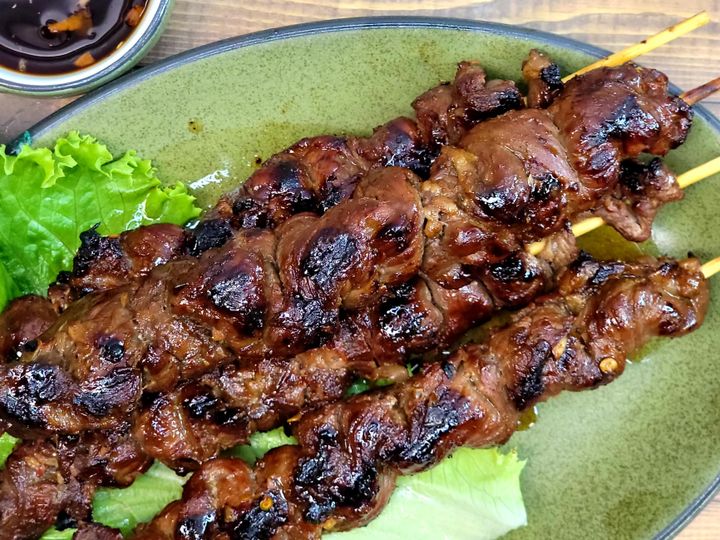
Santa Maria is famous for barbecue. FoodTrip brings another barbecue tradition to the same valley: sweet-savory Filipino pork and chicken skewers. The flavors are very different, but the reason people gather around them is surprisingly similar.
The quick answer
Santa Maria-style barbecue is a Central Coast tradition built around beef—especially tri-tip or sirloin—seasoned simply and cooked over native red-oak coals. The classic meal is served with local sides such as pinquito beans, salsa, salad and grilled bread.
Filipino barbecue usually means marinated pork or chicken threaded onto skewers and grilled until the edges caramelize. The flavor leans sweet, savory and tangy, and it is often eaten with rice and other dishes meant for sharing.
They are not versions of the same dish. They come from different histories, use different seasonings and are served differently. But both make sense in Santa Maria because both are social food: fire, meat, family, friends and a table that is better when it is full.
What makes Santa Maria-style barbecue distinctive?
Santa Maria-style barbecue grew from the Valley's ranching culture. Local rancheros held large outdoor feasts for vaqueros, friends and neighbors, cooking beef over pits of hot red-oak coals. Over time, the method became a recognizable regional style.
The defining pieces are simple on paper: beef, salt, pepper, garlic and red oak. Historically top-block sirloin was important; tri-tip later became one of the style's signature cuts. The traditional plate is bigger than the meat alone, with pinquito beans, salsa, salad and grilled bread completing the meal.
That simplicity is part of the point. Santa Maria barbecue lets the beef and the smoke from the oak do most of the talking.
What does Filipino barbecue taste like?
Filipino barbecue takes a different path. Instead of a large cut of beef seasoned mainly on the outside, pork or chicken is commonly cut into smaller pieces, marinated, threaded onto skewers and grilled. Filipino marinades vary by family and region, but the familiar flavor profile often combines savory, sweet, garlicky and tangy notes.
The result is intensely seasoned meat with browned, caramelized edges and a flavor that reaches through the whole skewer. At FoodTrip, both pork barbecue and chicken barbecue are part of the Inihaw / Grill menu, alongside garlic rice, pancit, lumpia and other Filipino comfort-food favorites.
If Santa Maria barbecue is about letting red oak and beef speak clearly, Filipino barbecue is about the conversation between marinade, char and sweetness.
Filipino BBQ vs Santa Maria-style BBQ
| Feature | Filipino BBQ | Santa Maria-style BBQ |
|---|---|---|
| Main format | Marinated pork or chicken skewers | Large cuts of beef such as tri-tip or sirloin |
| Flavor approach | Sweet-savory, tangy, garlicky, caramelized | Beef-forward, smoky, simply seasoned |
| Fire & cooking | Grilled skewers; char is part of the appeal | Traditionally grilled over Santa Maria Valley red-oak coals |
| Common partners | Rice, pancit, lumpia and shared Filipino dishes | Pinquito beans, salsa, salad and grilled bread |
| Best setting | Family meals, parties, street-food-style snacking, group spreads | Backyard and community barbecues, restaurants, large gatherings |
What the two traditions have in common
The most interesting similarity is not an ingredient. It is the gathering.
Santa Maria barbecue grew around outdoor community feasts. Filipino barbecue is just as comfortable at birthdays, family reunions, fiestas and casual get-togethers where food arrives in quantities meant to be passed around. In both traditions, the grill is not only a cooking tool. It becomes a reason for people to stay close, talk and eat together.
That is why Filipino barbecue feels surprisingly at home in Santa Maria. The seasonings may come from another side of the Pacific, but the instinct behind the meal—cook over fire and feed everybody—is familiar.
What to order at FoodTrip if you love barbecue
If you already love Santa Maria's grill culture but have never tried Filipino food, start with a simple table that lets you compare familiar grilled flavors with something new:
- Pork or chicken barbecue: the obvious starting point—grilled, deeply seasoned and easy to share.
- Garlic rice: the Filipino table staple that soaks up the savory-sweet barbecue flavor.
- Pancit bihon: savory rice noodles that balance a meat-heavy meal and work especially well for a group.
- Lumpiang Shanghai: crisp Filipino spring rolls and one of the easiest introductions to the cuisine.
- Sizzling sisig: a bolder next step if you like charred, savory pork and bright citrusy flavor.
For parties, FoodTrip also offers catering formats designed for sharing, including party trays, barbecue-focused boards and boodle-style spreads. If the gathering is the point, Filipino food is built for it.
Try Filipino barbecue in Santa Maria
FoodTrip serves Filipino comfort food at 230 Betteravia Rd, Unit F in Santa Maria. Browse the current menu and order online for pickup.
View Menu & Order OnlineQuick questions about Filipino BBQ in Santa Maria
Is Filipino barbecue the same as Santa Maria-style barbecue?
No. Santa Maria-style barbecue traditionally centers on beef cooked over red oak with simple seasoning. Filipino barbecue commonly uses marinated pork or chicken skewers with a sweeter, more savory-tangy flavor profile.
Where can I try Filipino barbecue in Santa Maria?
FoodTrip at 230 Betteravia Rd, Unit F in Santa Maria lists both pork barbecue and chicken barbecue on its Inihaw / Grill menu.
What should a first-timer order with Filipino BBQ?
A good first order is barbecue skewers with garlic rice, pancit bihon and lumpia. Add sisig if you want a bolder, sizzling pork dish.
Does FoodTrip offer Filipino barbecue for groups?
FoodTrip offers catering for gatherings, including party trays, barbecue-focused boards and boodle-style spreads. Contact the restaurant in advance to plan around your group size and timing.