What Is Sisig? A Guide to One of the Philippines’ Most Famous Sizzling Dishes
Savory, bright, smoky and often served on a sizzling plate, sisig is one of the Filipino dishes that can turn a first bite into a new favorite. Here is what it is, where it comes from, how different versions compare, and what to order with it at FoodTrip in Santa Maria.
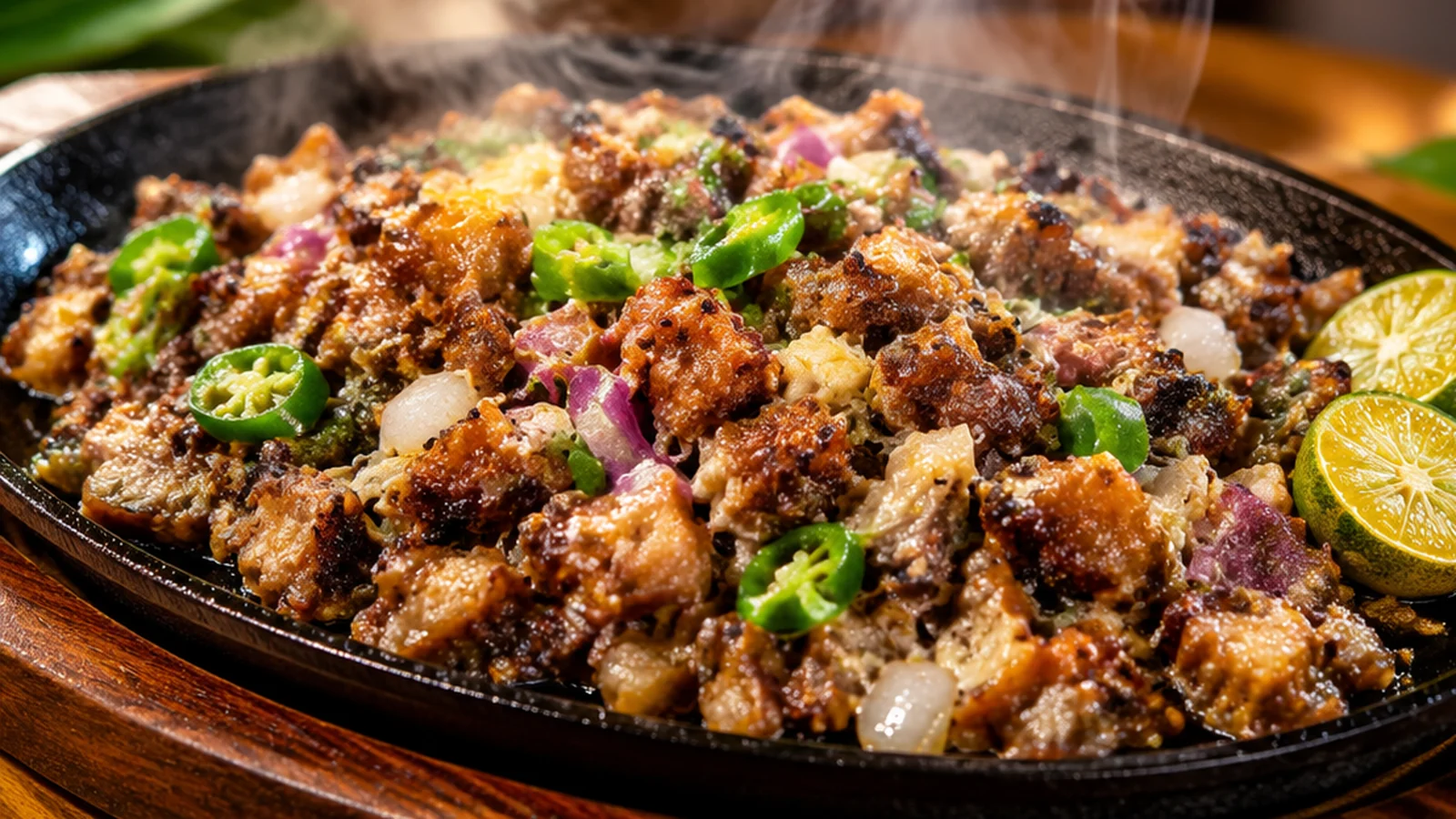
What is sisig?
Sisig is a Filipino dish strongly associated with Pampanga and especially Angeles City. The modern style most diners recognize is made from finely chopped ingredients that are grilled, cooked or crisped, then seasoned with a combination of onion, citrus or another bright sour note, chilies and savory seasonings. It is often served hot enough to sizzle when it reaches the table.
The exact recipe changes from kitchen to kitchen. Pork is the best-known version, but sisig is also made with fish, chicken, seafood, tofu and other ingredients. That flexibility is one reason the dish has traveled so well from Pampanga to restaurants and Filipino homes around the world.
Why Pampanga and Angeles City matter to the sisig story
Pampanga has a major place in Philippine food culture. The National Commission for Culture and the Arts notes the province’s reputation for food, while Philippine tourism and government sources continue to identify Angeles City with its iconic sisig tradition.
The dish has older roots, but the sizzling pork style that became nationally famous is closely tied to Angeles City. Food histories often credit Lucia Cunanan, widely known as Aling Lucing, with popularizing a modern grilled and chopped pork version in the postwar period. Over time, that style spread far beyond Pampanga and became one of the dishes many people immediately associate with Filipino cuisine.
That history also explains something important about sisig: it is a dish of adaptation. Filipino cooks have repeatedly taken the idea and made it work with different ingredients, textures and local preferences without losing the contrast of savory richness, acidity and heat that makes sisig recognizable.
What does sisig taste like?
Sisig is not just “spicy pork.” A good version has layers. The meat or main ingredient brings richness and umami. Grilling or browning creates smoky, roasted notes. Onion adds sharpness and crunch. Citrus—often calamansi in the Philippines—cuts through the richness. Chilies may add heat, but the level varies.
The result is balanced rather than one-note. A bite can be crisp, juicy, salty, tangy and slightly hot at the same time. That is why rice works so well with sisig: the rice softens and stretches the bold flavors without hiding them.

Pork sisig vs bangus sisig
FoodTrip’s current online menu lists both Sizzling Sisig and Sisig Bangus. They belong to the same family of flavors, but the eating experience is different.
| Feature | Sizzling pork sisig | Bangus sisig |
|---|---|---|
| Main ingredient | Pork | Bangus, or milkfish |
| Overall feel | Rich, meaty, deeply savory | Lighter, fish-forward, still bright and savory |
| Texture | Often a mix of tender and crisp pieces | Flaked or chopped fish with browned edges depending on preparation |
| Good for | Someone wanting the classic modern sisig experience | Someone who enjoys fish or wants a different take on the sisig idea |
If you are trying sisig for the first time and eat pork, the sizzling version is the most direct introduction to the famous style. If you already love bangus, the fish version gives you the bright, savory sisig profile in a familiar Filipino ingredient.
How should a first-timer order sisig?
Start simple. Order the sisig with rice and one or two contrasting dishes for the table. That gives you a better sense of how Filipino meals are often enjoyed: not as isolated plates, but as different flavors shared together.
- Garlic rice: an easy partner for the salty, tangy and smoky flavors of sisig.
- Lumpiang Shanghai: crisp spring rolls that are approachable for almost any first-time Filipino-food visitor.
- Pancit bihon: savory noodles that make the meal feel complete and work well for sharing.
- Chicken or pork barbecue: a sweet-savory grilled contrast if you want to compare two very different Filipino flavor profiles.
- Sinigang: a sour tamarind-based soup if you want an even broader look at how Filipino cooking uses acidity.
If you are sensitive to heat, ask the restaurant about the current preparation and spice level before ordering. Sisig recipes vary, and “sizzling” describes the serving style more reliably than it predicts how spicy the dish will be.
Where can I try sisig in Santa Maria?
FoodTrip serves Filipino comfort food at 230 Betteravia Rd, Unit F, Santa Maria, CA 93454. The restaurant’s official phone number is (805) 361-0299, and regular hours are Tuesday through Saturday, 10:00 AM to 7:00 PM.
The current online menu lists Sizzling Sisig under House Special and also lists Sisig Bangus. Menu availability can change, so the online ordering page or a quick call is the best way to confirm the day’s availability.
For visitors from Orcutt, Nipomo, Guadalupe and the rest of the Central Coast who have never tried Filipino food before, sisig is a strong “next step” dish: bolder than lumpia or pancit, but still built around familiar ideas of grilled flavor, citrus, onion and texture.
Try sizzling sisig at FoodTrip
Explore FoodTrip’s current menu, check availability and order Filipino comfort food for pickup in Santa Maria.
View Menu & Order OnlineQuick questions about sisig
What is sisig?
Sisig is a Filipino dish strongly associated with Pampanga and Angeles City. Modern versions commonly feature chopped grilled or cooked meat seasoned with onion, citrus and chilies and are often served sizzling.
Is sisig very spicy?
Not always. Many versions include chilies, but heat levels vary by recipe. The dish is defined as much by its savory, tangy and smoky balance as by spice.
Is sisig always made with pork?
No. Pork is the most famous modern version, but sisig can also be made with bangus, chicken, seafood, tofu and other ingredients. FoodTrip lists both Sizzling Sisig and Sisig Bangus.
What is bangus sisig?
Bangus sisig uses milkfish instead of pork while keeping the bright, savory sisig-style seasoning idea. It is a good option for diners who enjoy fish and want a different version of the dish.
What should I eat with sisig?
Rice is the classic practical partner. At FoodTrip, garlic rice, lumpia, pancit and barbecue also make a balanced first-timer-friendly shared meal.
Where can I get sisig in Santa Maria?
FoodTrip at 230 Betteravia Rd, Unit F, Santa Maria lists Sizzling Sisig and Sisig Bangus on its online menu. Call (805) 361-0299 or check the ordering page for current availability.